British Red Squirrel logotype
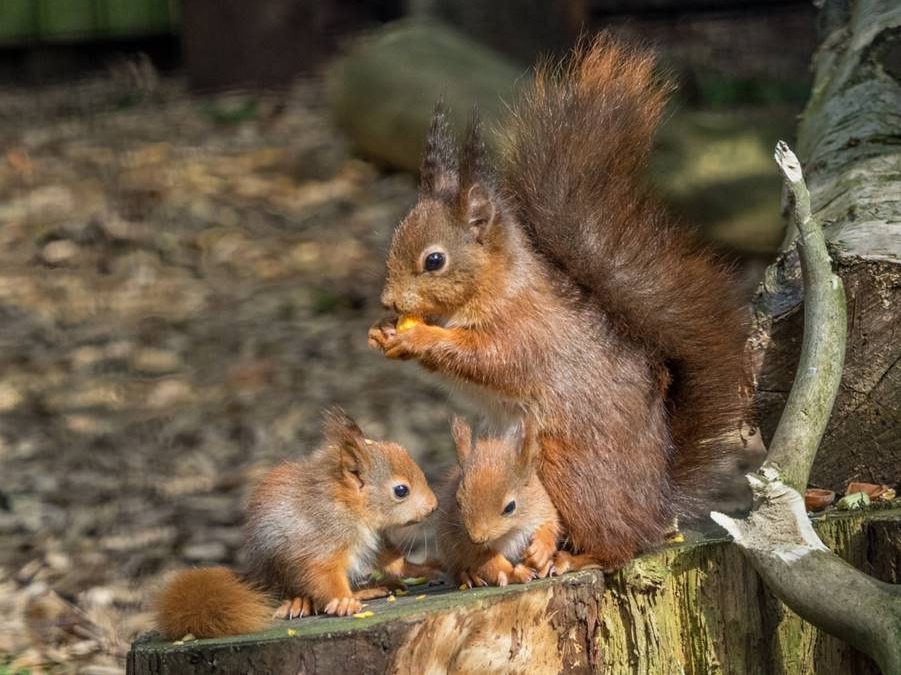
Trio of Red Squirrels Where we work The Threat to Reds Opportunity - the Isle of Purbeck Escot public access walk through
Trio of Red Squirrels Where we work

Walk through enclosure at Escot

We focus on the south west of England ...

Our Aims

The British Red Squirrel has some basic needs, our aims are:

• To protect the British Red Squirrel by keeping reds and greys apart.

• To assist the surviving British Red Squirrels in areas where red squirrel population numbers have stabalized or are increasing.

• To establish a breeding and education centre at Escot and new British Red Squirrel colonies across the south west of England.

• To fund research to develop a vaccine for the squirrel pox virus and control fertility in greys.

• To raise awareness of the plight of the British Red Squirrel in the south west of England

The Threat to Reds

The decline of red squirrels is caused by interaction with grey squirrels. Grey squirrels are a non-native species that were introduced to the UK from North America in Victorian times. They have few natural predators and have managed to colonise 90% of England and Wales in the past 50 years.

Distribution Map

Red and Grey distribution map, 1940 and 2010

Greys threaten red populations in two ways:

Greys carry disease
60% of grey squirrels in England and Wales carry the squirrel pox virus. While they are immune to the disease it is deadly to reds.

Greys crowd out the reds
Greys eat seven times more food per hectare than reds. They aggressively compete for food, crowding out reds until eventually only greys are left.

Red Squirrel Conference

Red Squirrel South West and the Cornwall Red Squirrel Project are hosting a red squirrel conference entitled "National and International Perspectives on Red Squirrel Conservation". The aim is to bring together lessons learnt from red squirrel conservation around Europe, and to consider how these lessons can benefit existing and ...Read More